Silva
Incentivizing sustainable habits through gamification
Silva is a concept for a mobile app that helps people track sustainable actions, earn rewards for eco-friendly habits, and learn more about sustainability along the way. I worked on a team of four, focused on UX research, product validation, and prototyping.
The Problem
Many people want to build sustainable habits but don’t stick with them. Their efforts feel too small to matter, and there’s no clear way to track impact or stay motivated.
The Goal
Design an app that makes sustainable action trackable, rewarding, and educational, built around the idea of collectively reducing ecological footprint.
Research
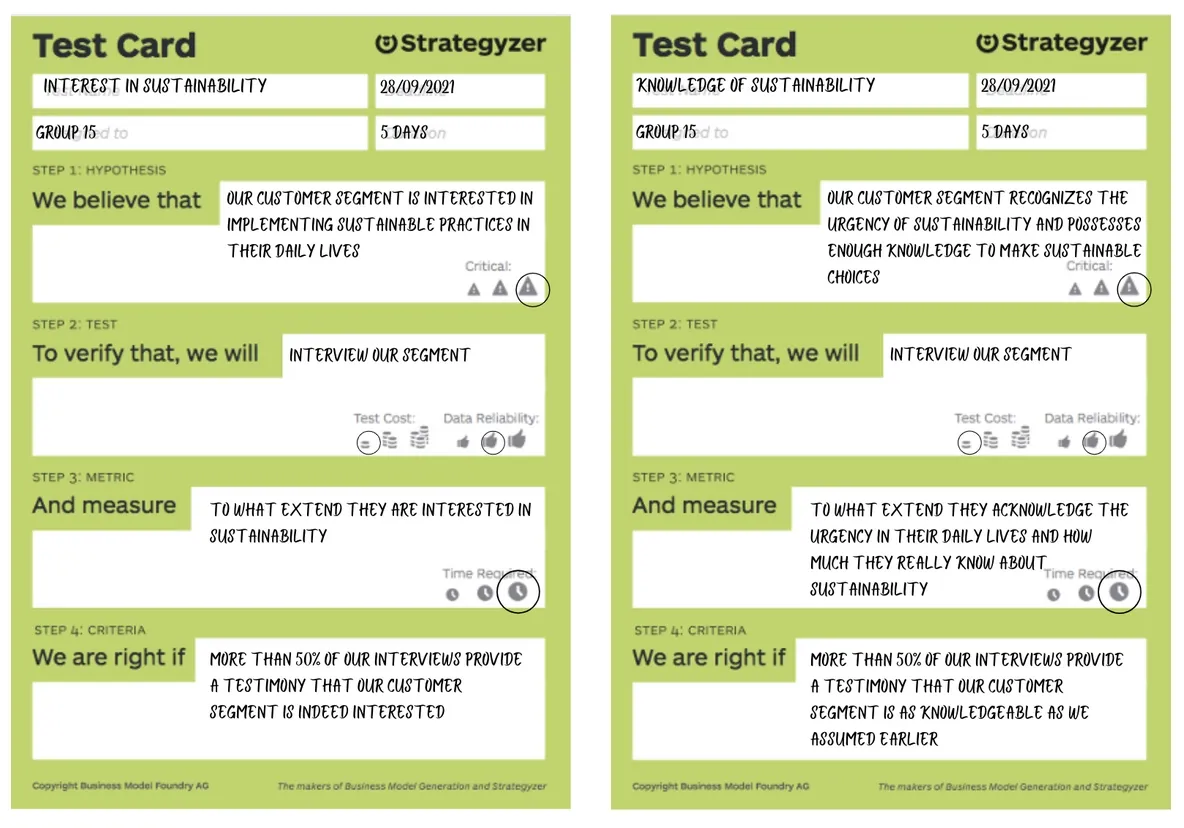
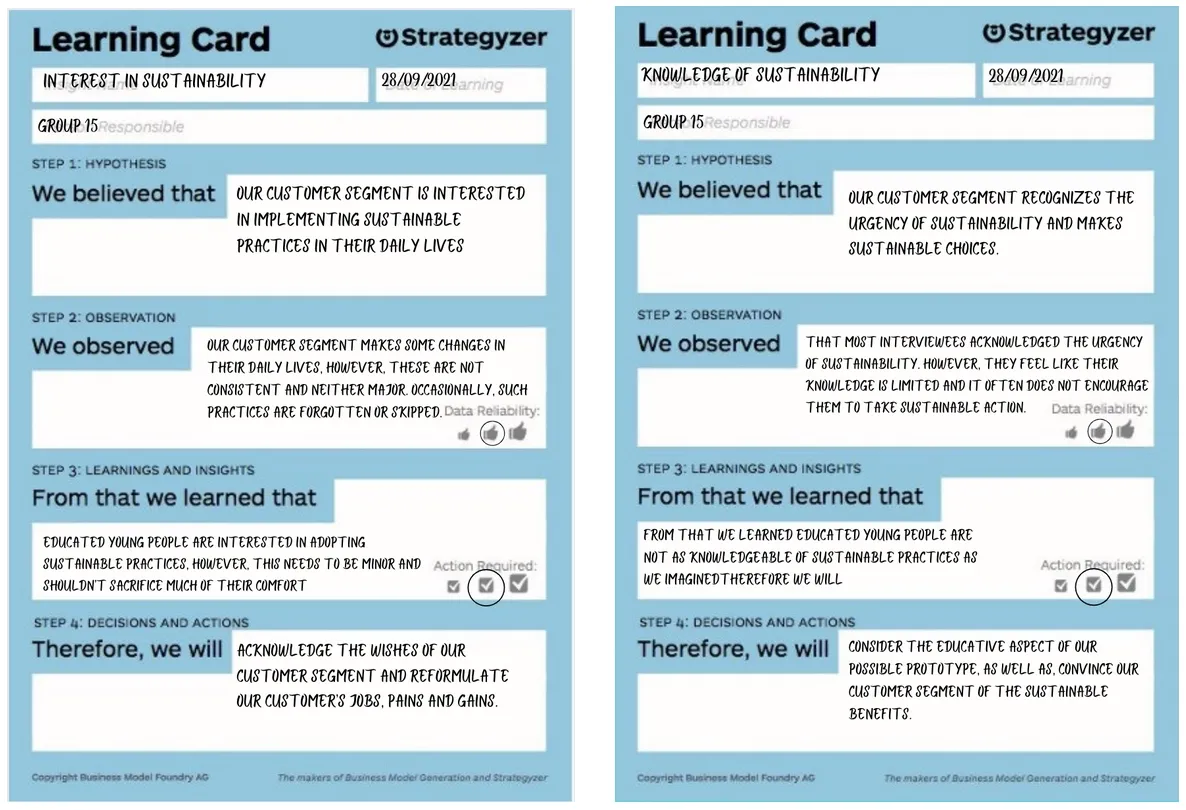
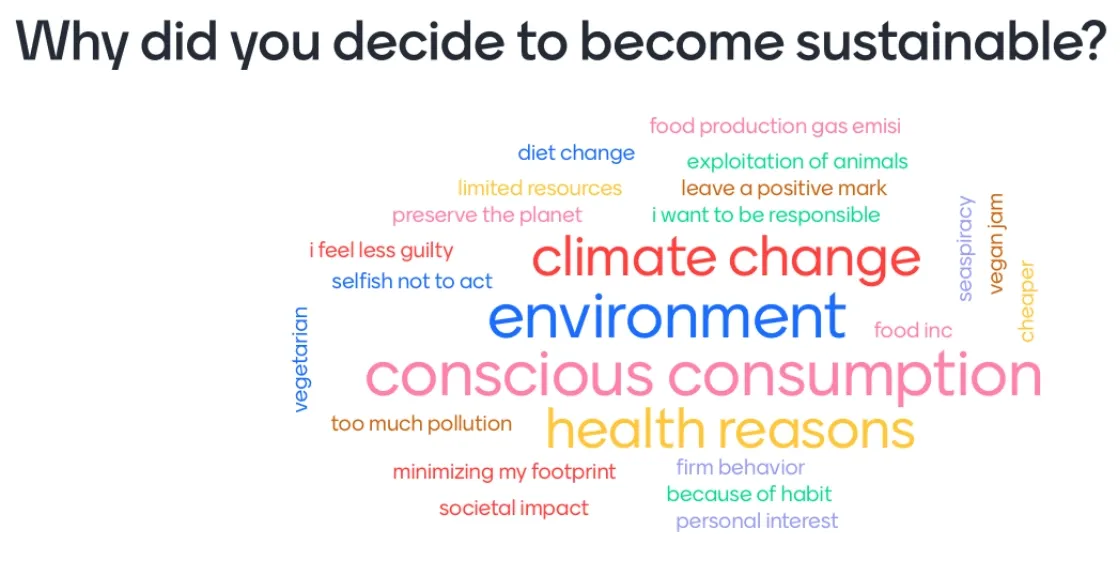
We analyzed existing sustainability and habit-tracking apps to identify patterns worth keeping and problems worth avoiding, and spoke with environmentally conscious individuals to understand what motivates and blocks sustainable behavior.
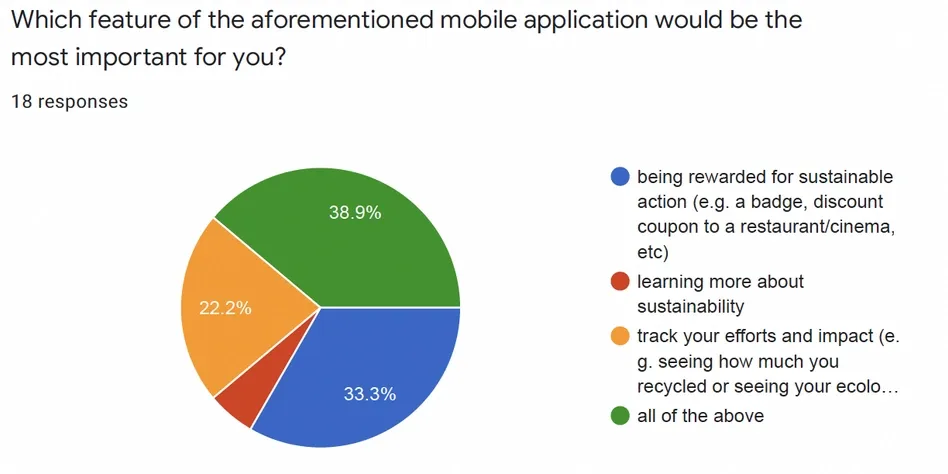
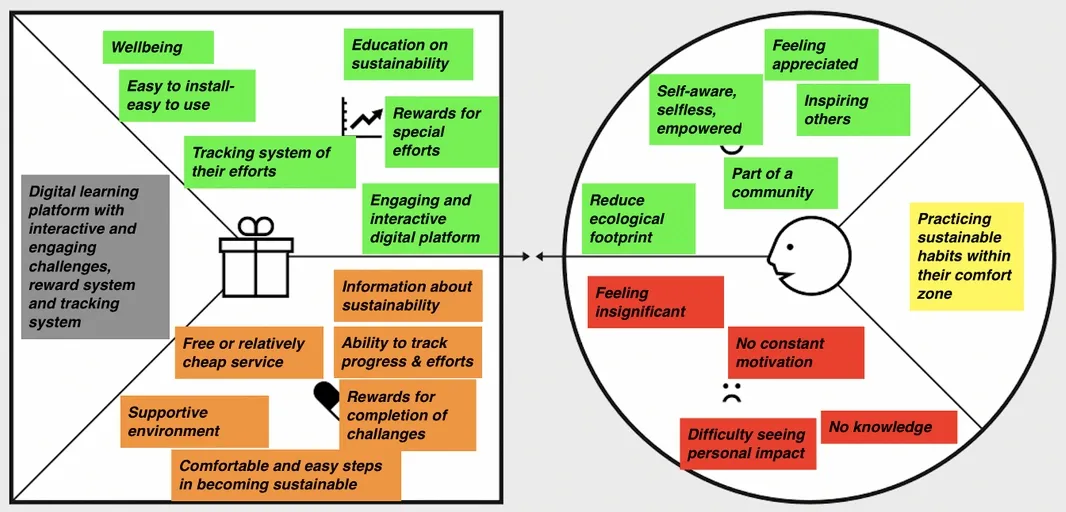
Pain Points
- People feel their actions are too small to matter
- There’s no structured way to track impact
- Existing incentives don’t hold attention
Personas & Journey Mapping
- Persona 1, The Conscious Consumer: someone that wants to reduce waste but needs motivation.
- Persona 2, The Curious Learner: someone interested in sustainability but unsure where to start.
- Persona 3, The Eco-Champion: someone actively sustainable but seeks a way to quantify impact.
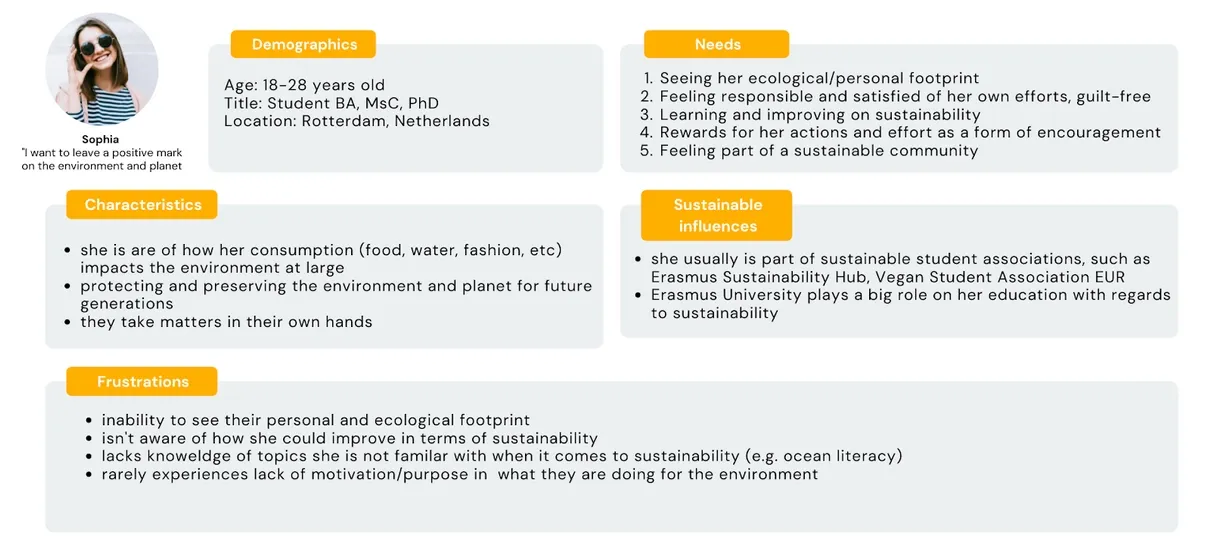
Target group
Persona
Profile
Education level: educated young people
Target group: students (BA, MSc, PhD), city dwellers
Gender: all genders, with a particular focus on women
Personal motivations
- Social desirability
- Healthy lifestyle
- Feeling part of a community
- Thinks climate change is a problem that needs to change
- Cares about animal welfare
Personality
- Sustainable thinking, sustainable doing: a proactive attitude
- Enjoys challenging themselves to be a better person, personal growth
- Empathetic, conscious person
Lifestyle
- Thinks their own behaviour influences climate change
- Practices sustainable habits (turning off the heat and lights, eating less meat)
- Busy lifestyle
Customer 1
Geographic: Dutch, Netherlands
Demographics: highly or just educated, young people, women, city dwellers
Behaviour
- See climate policy as important
- Turn off the lights, wear more clothes to turn off the heat at home, use bikes and public transport, eat less meat
- Open to changing their lifestyle for a good cause
Customer 2
Geographic: Dutch, Netherlands
Demographics: high school education or no education, older people
Behaviour
- Not knowledgeable about individual sustainable practices
- Not involved in sustainable habits
- Unwilling to change their lifestyle
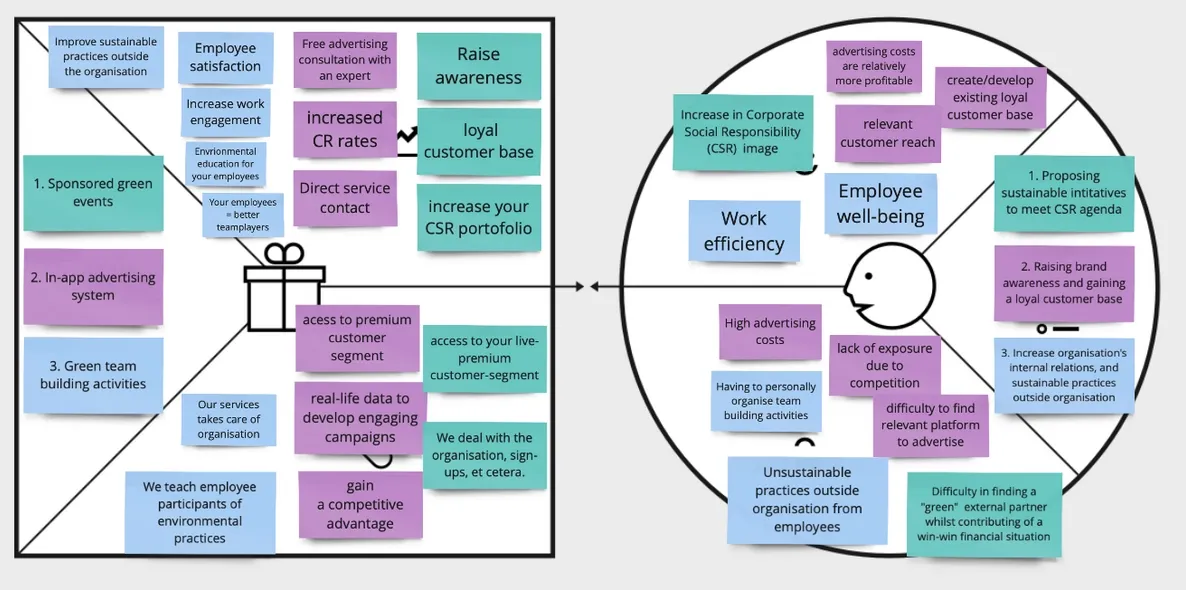
Value Propositions
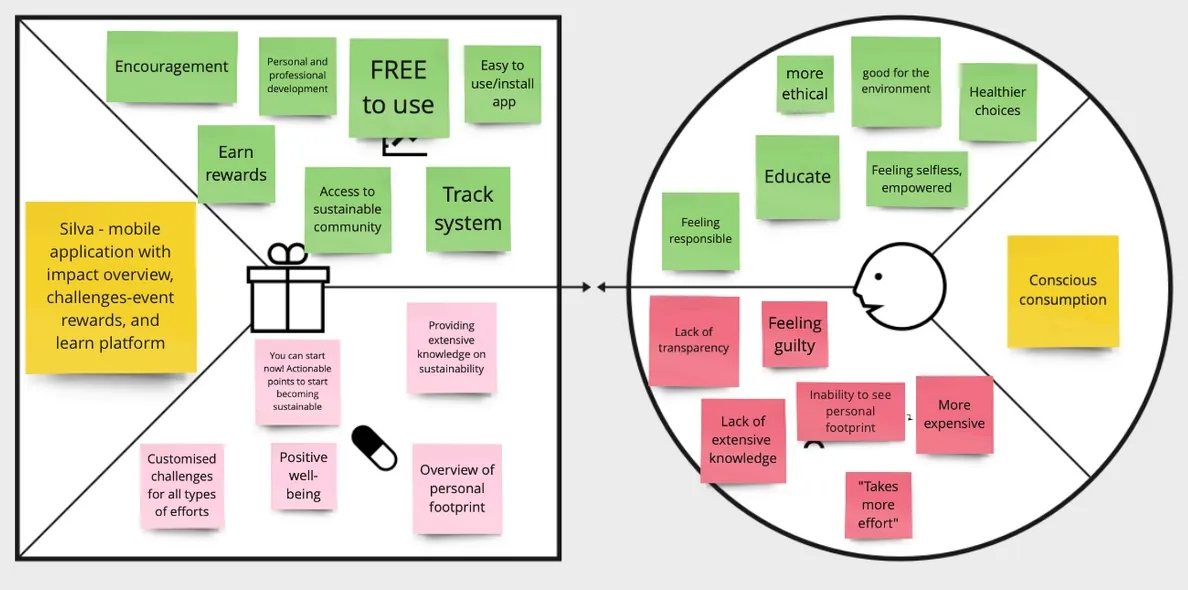
We defined two sides of the business model: a B2C proposition for students practicing conscious consumption, and a B2B proposition for sustainability focused partner brands.
Wireframes & Design
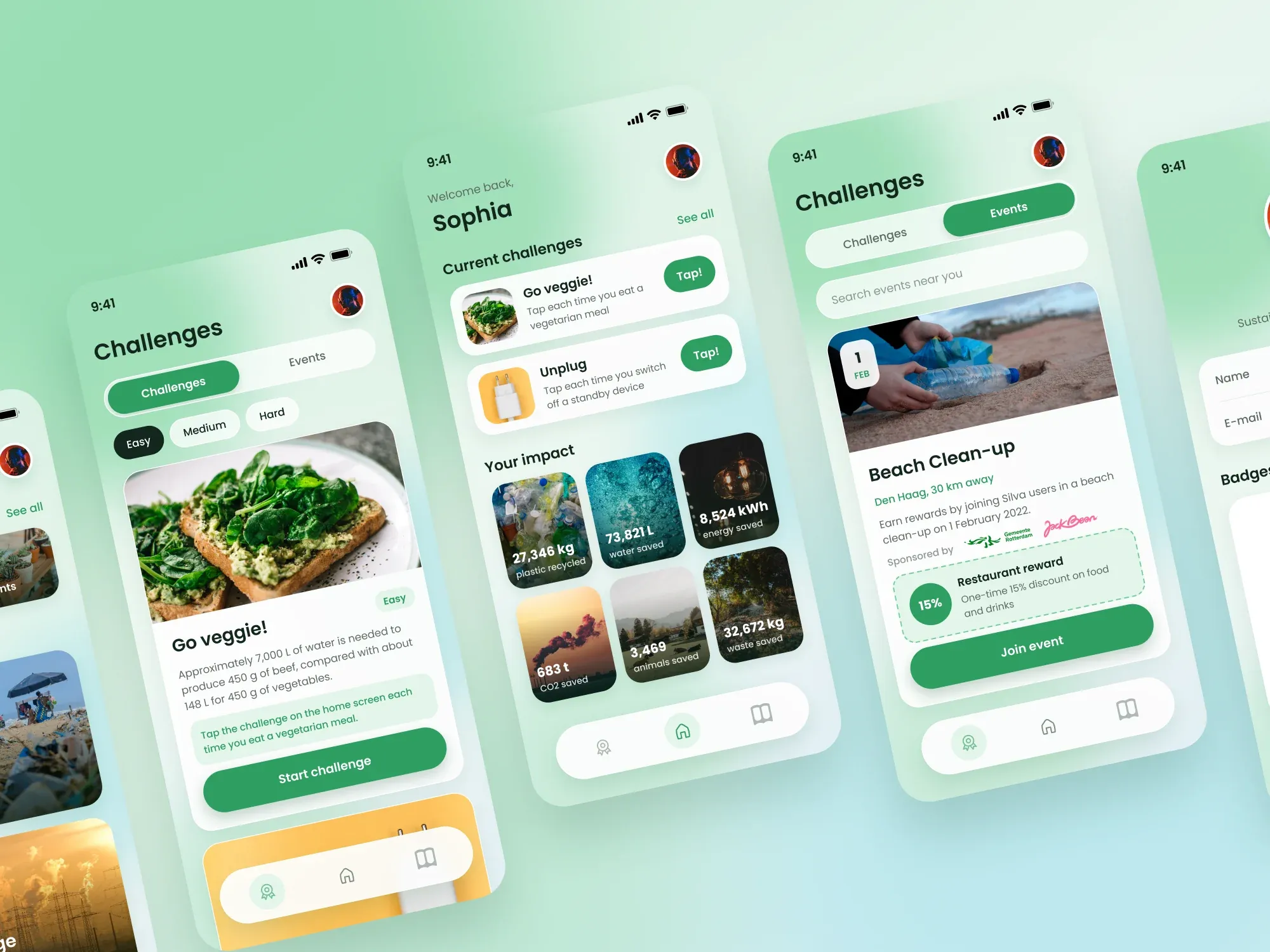
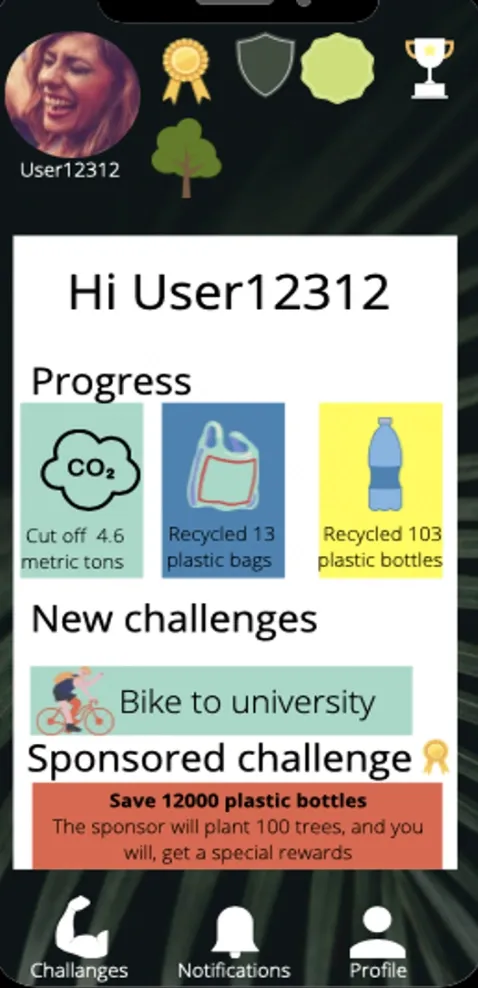
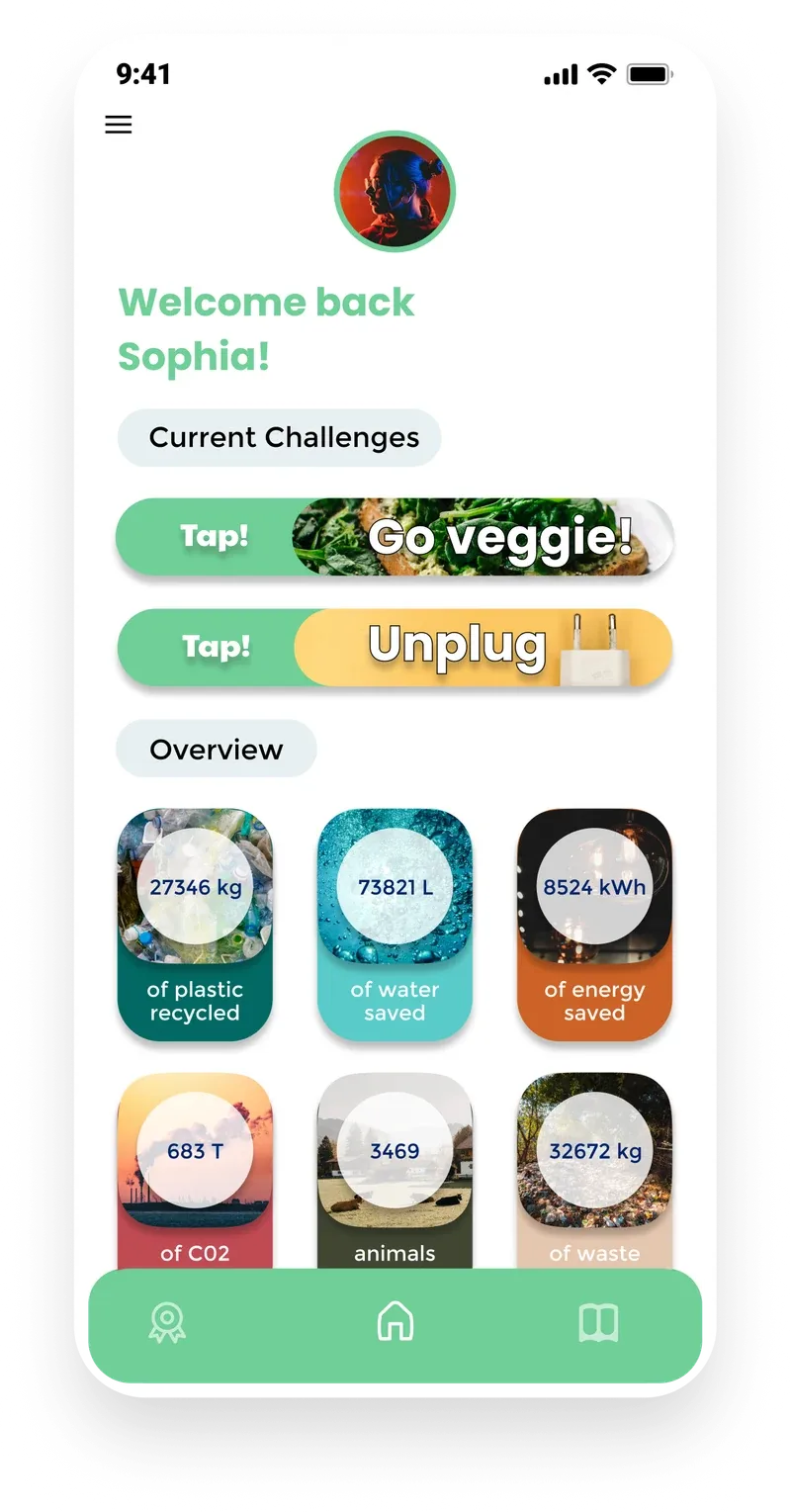
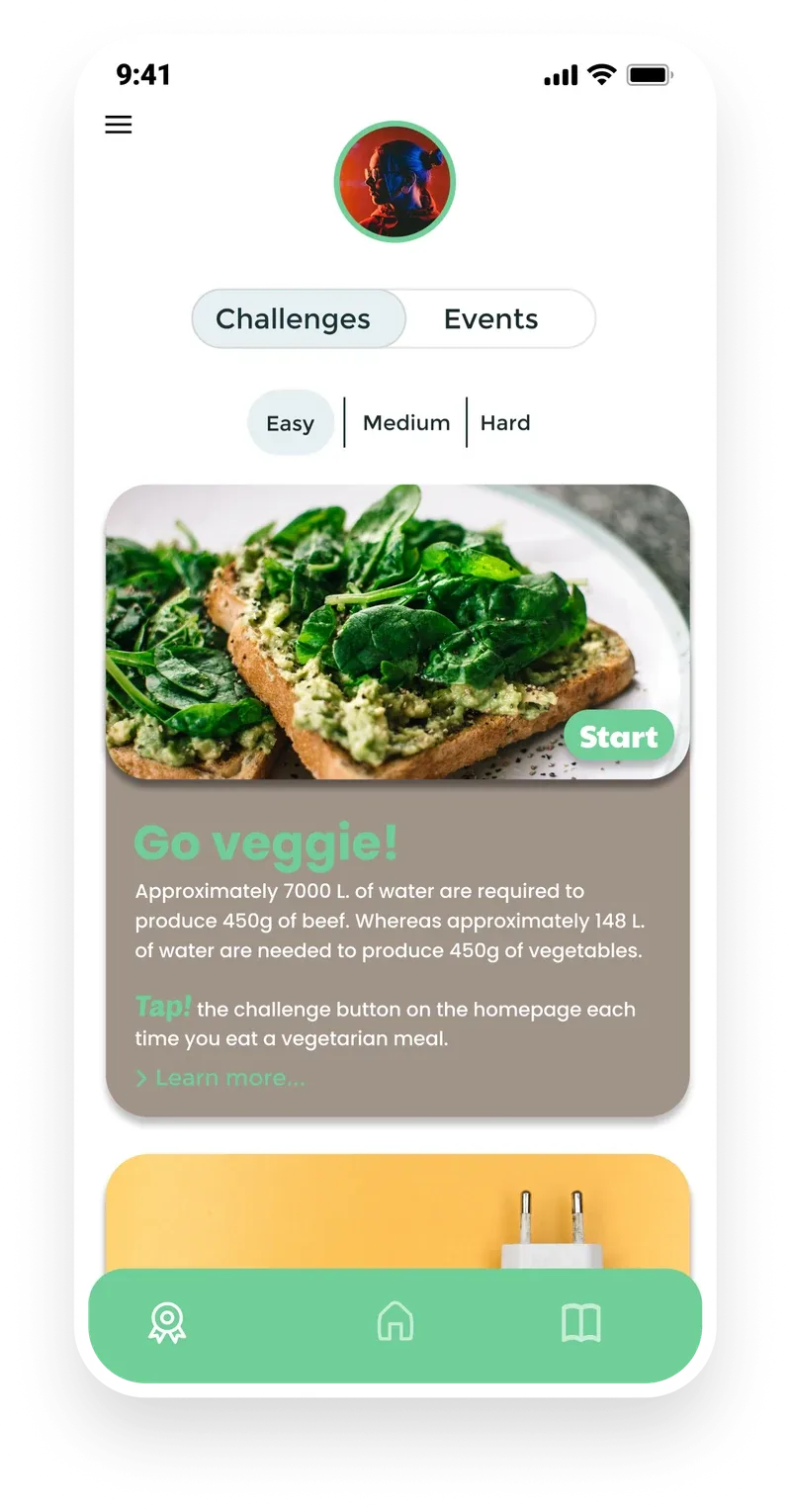
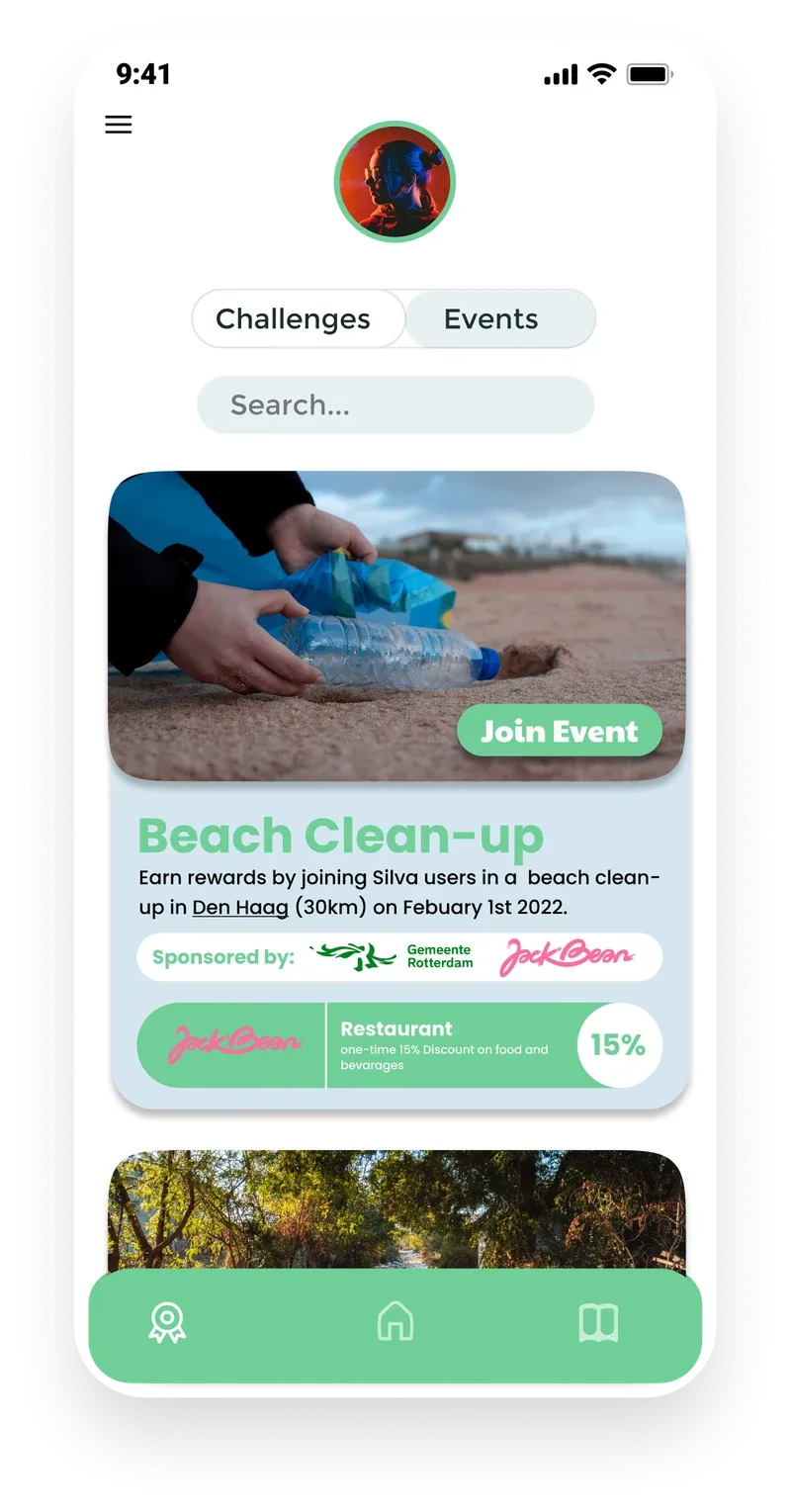
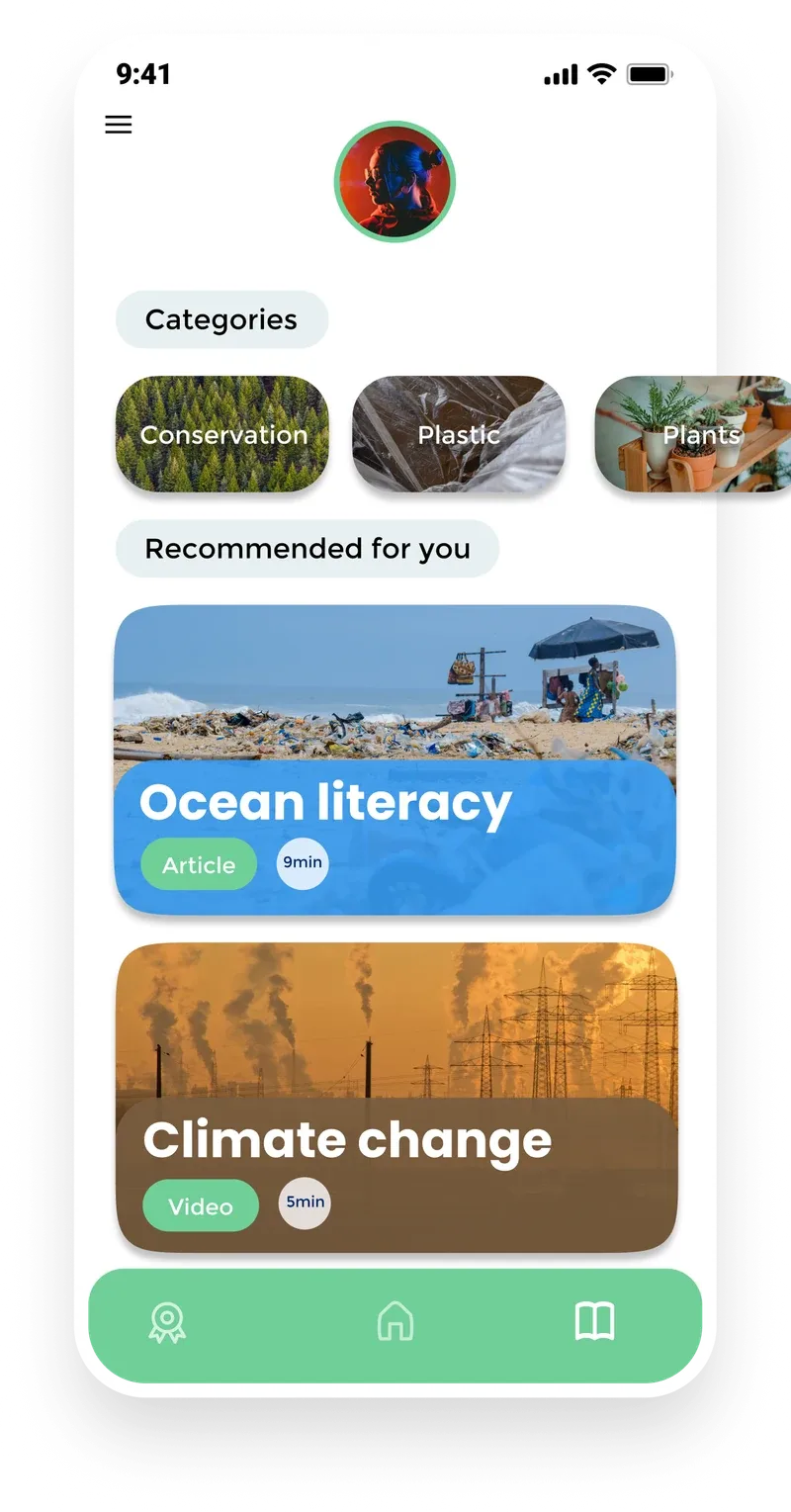
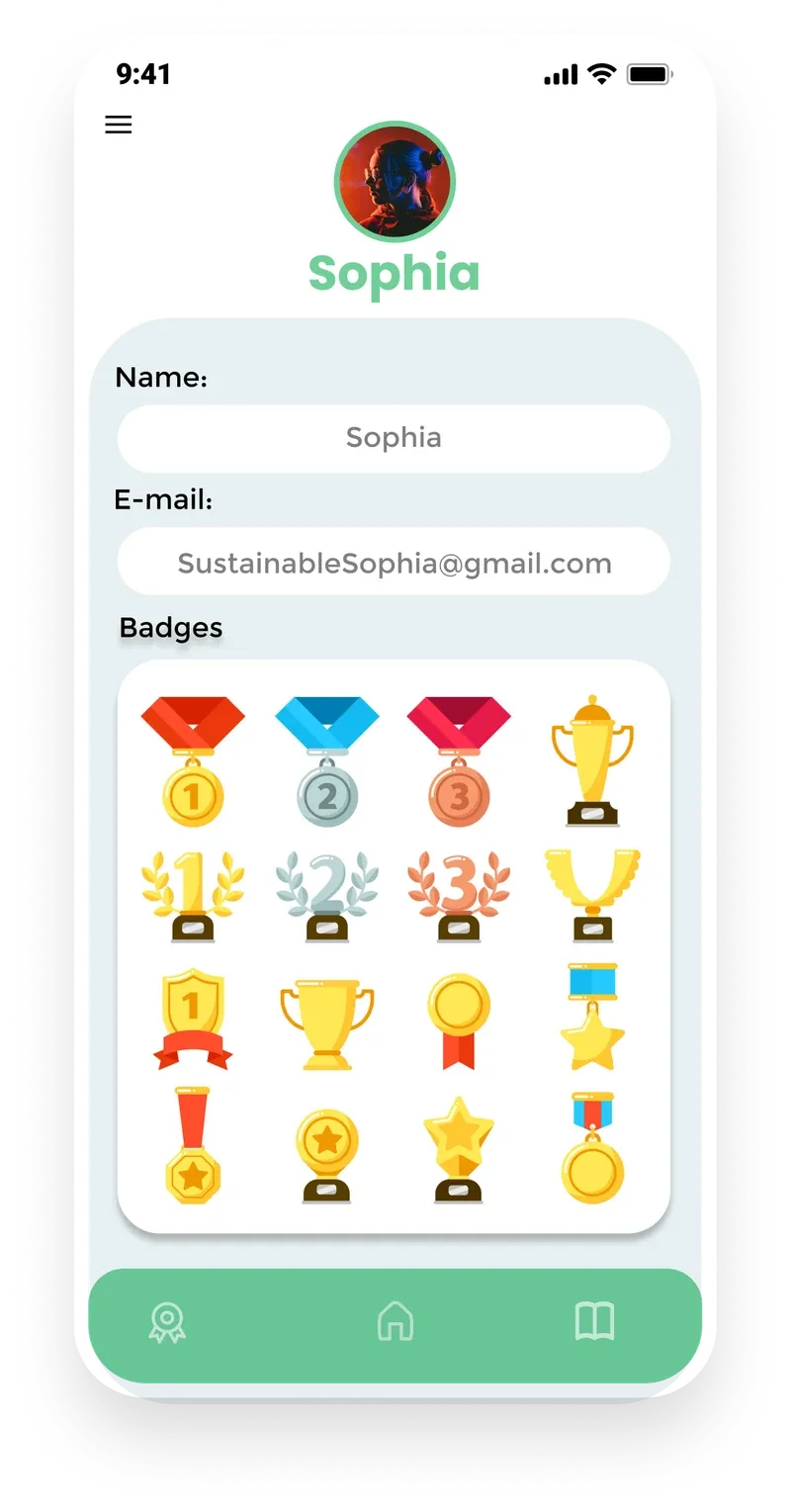
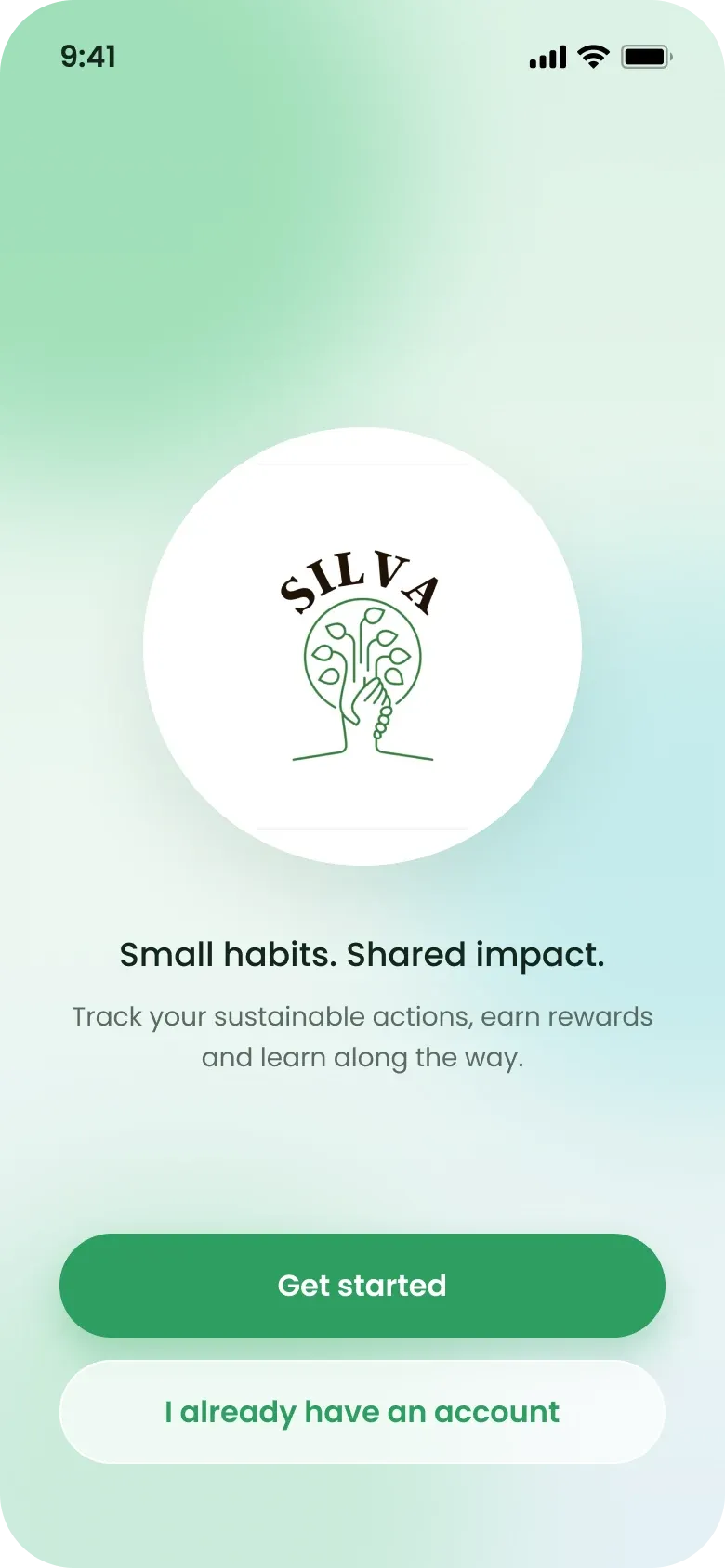
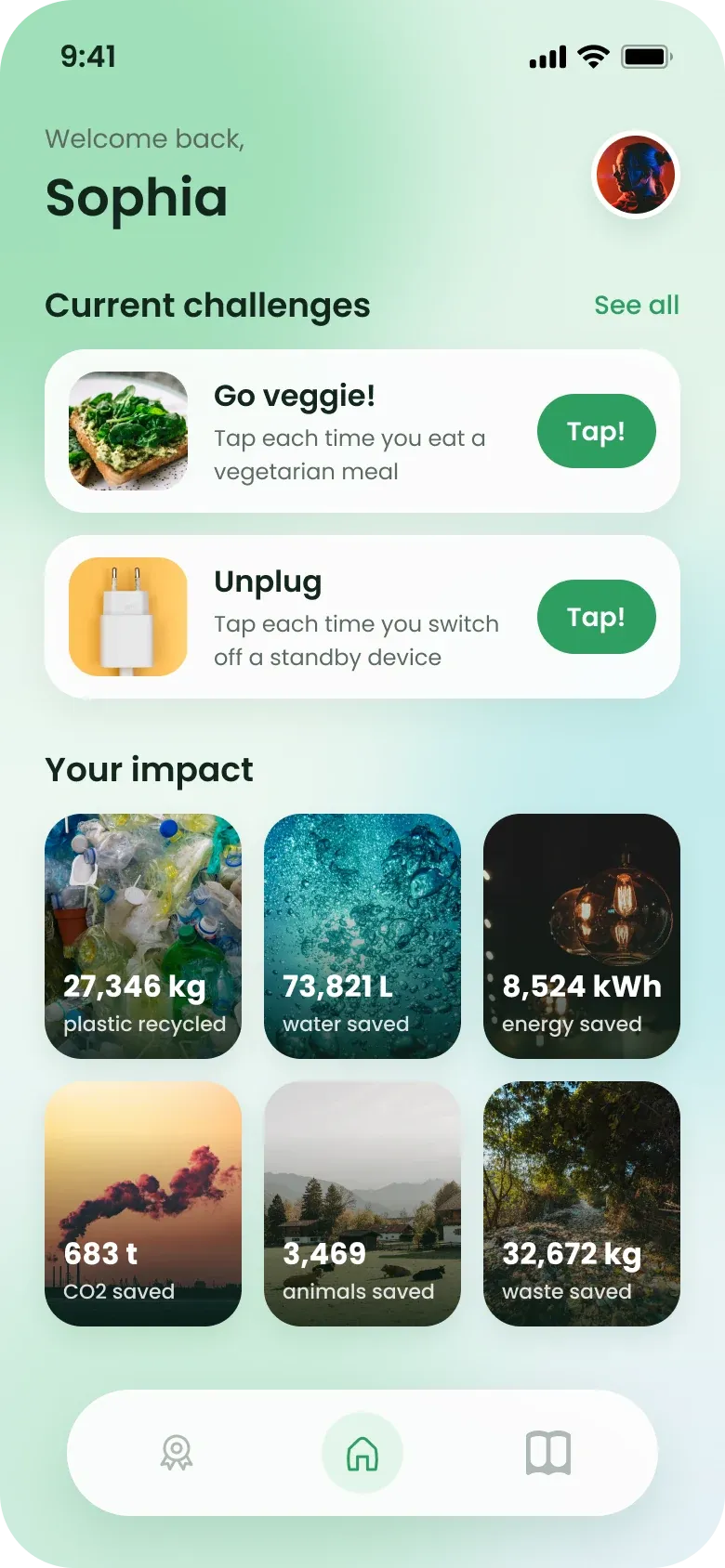
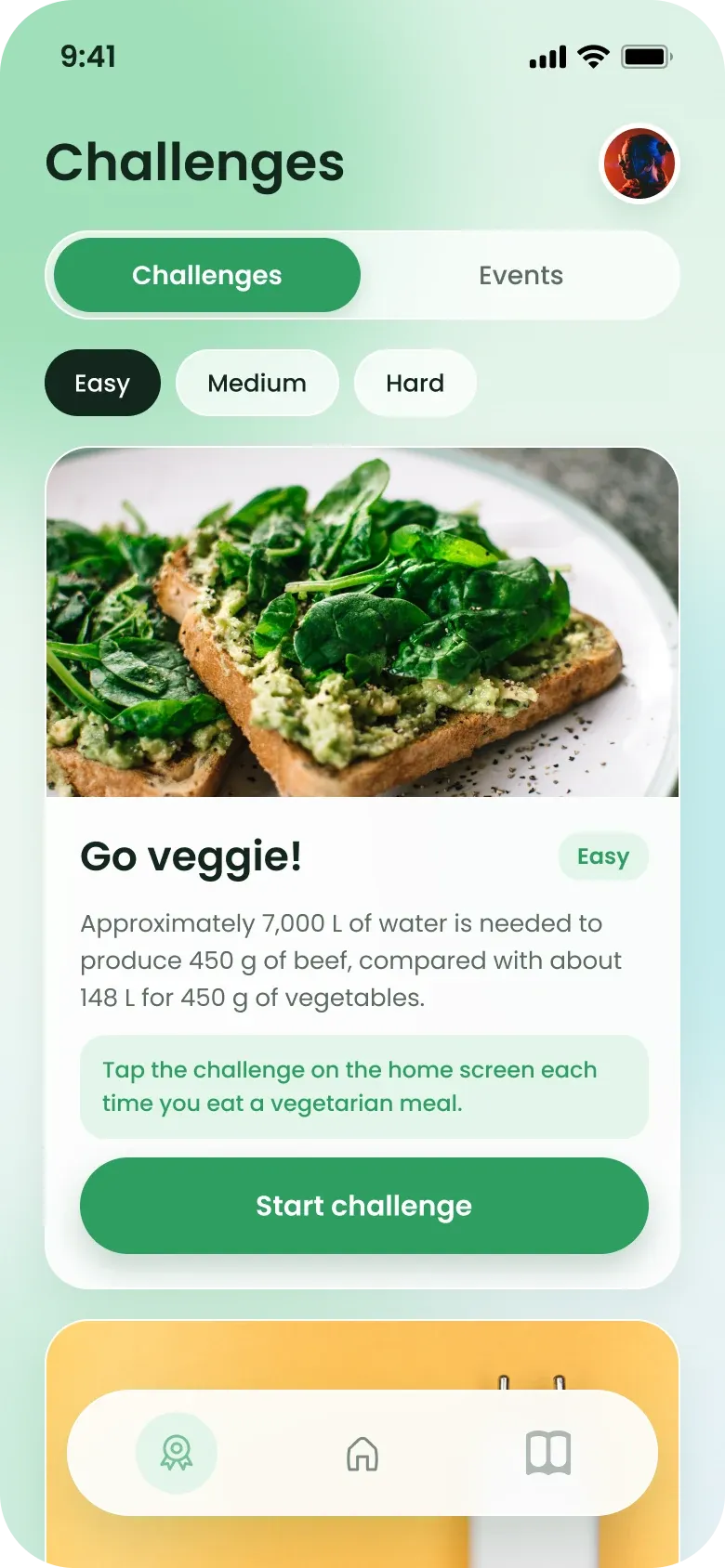
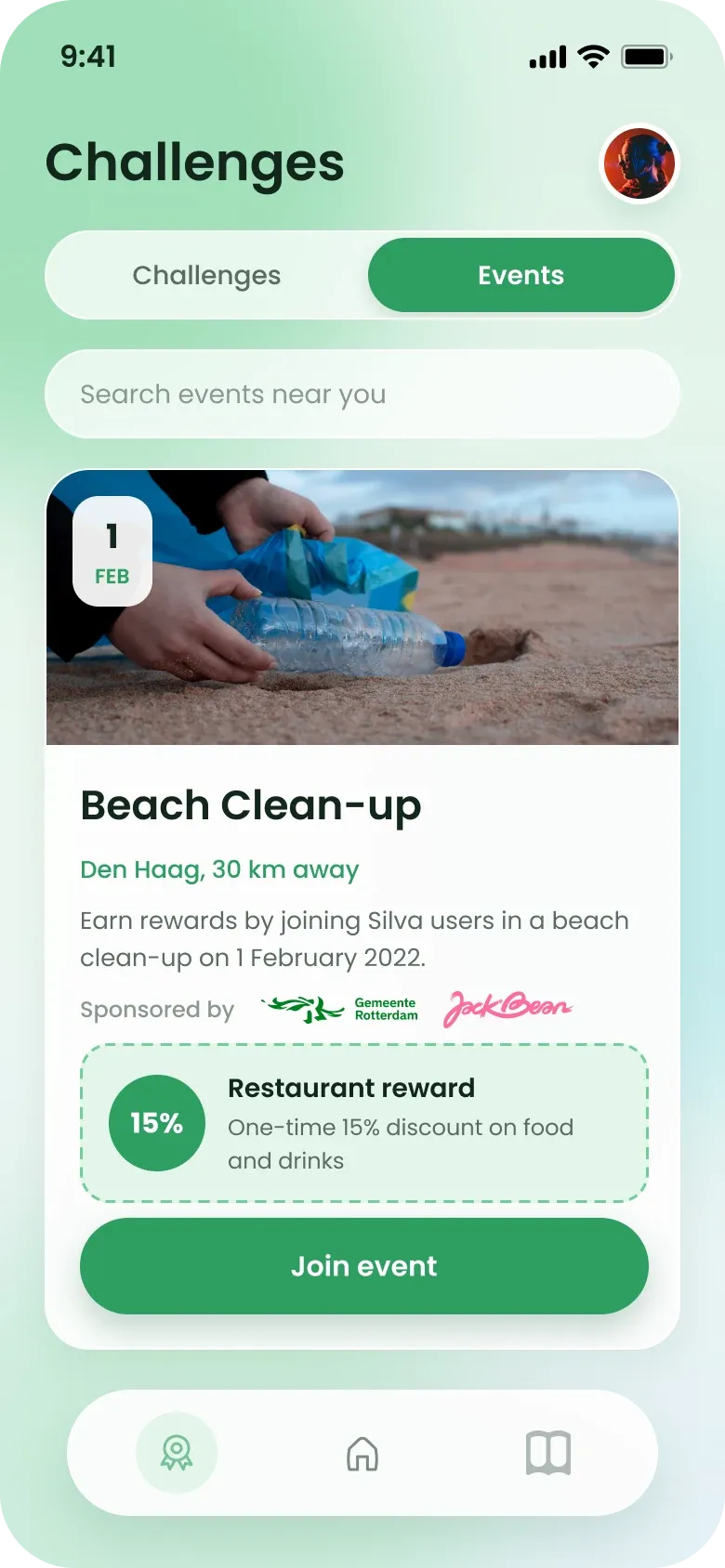
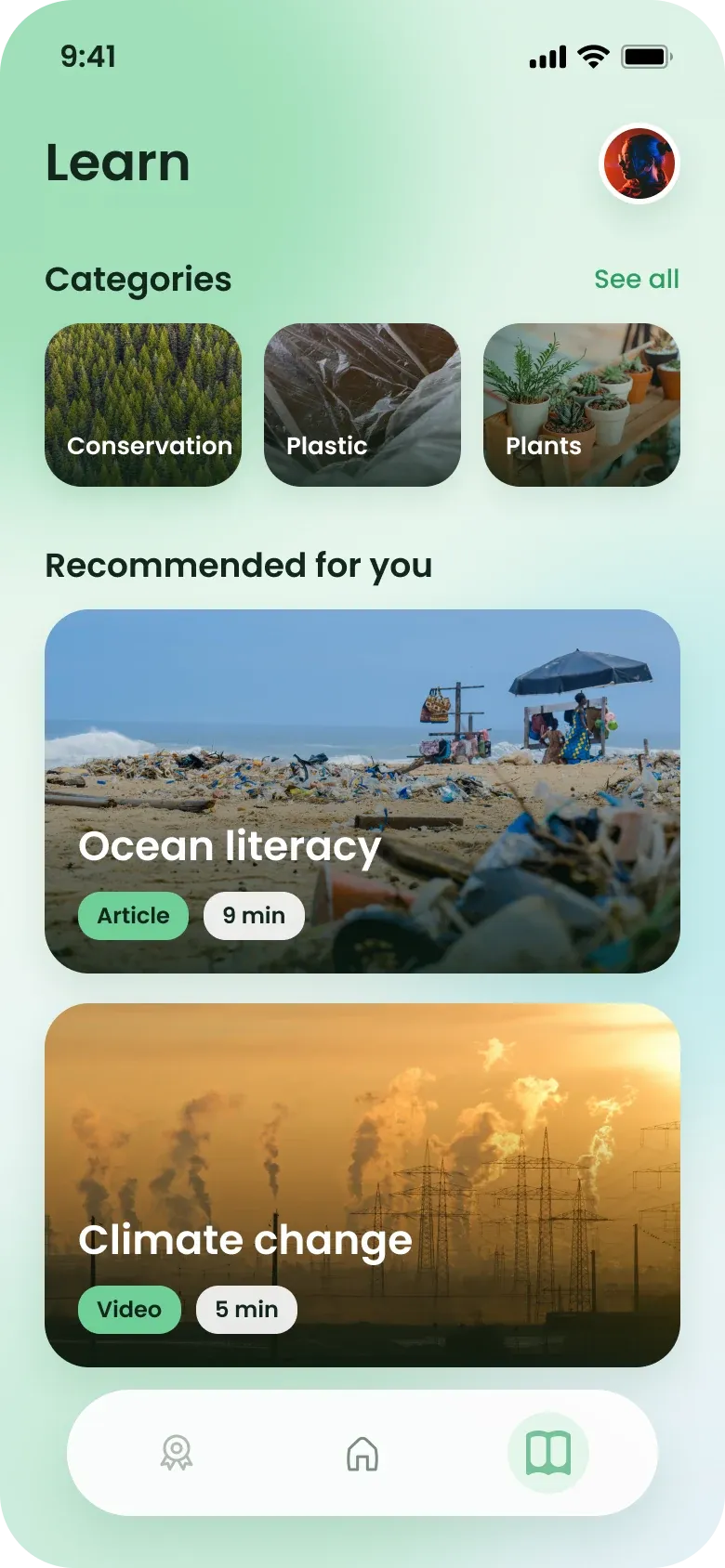
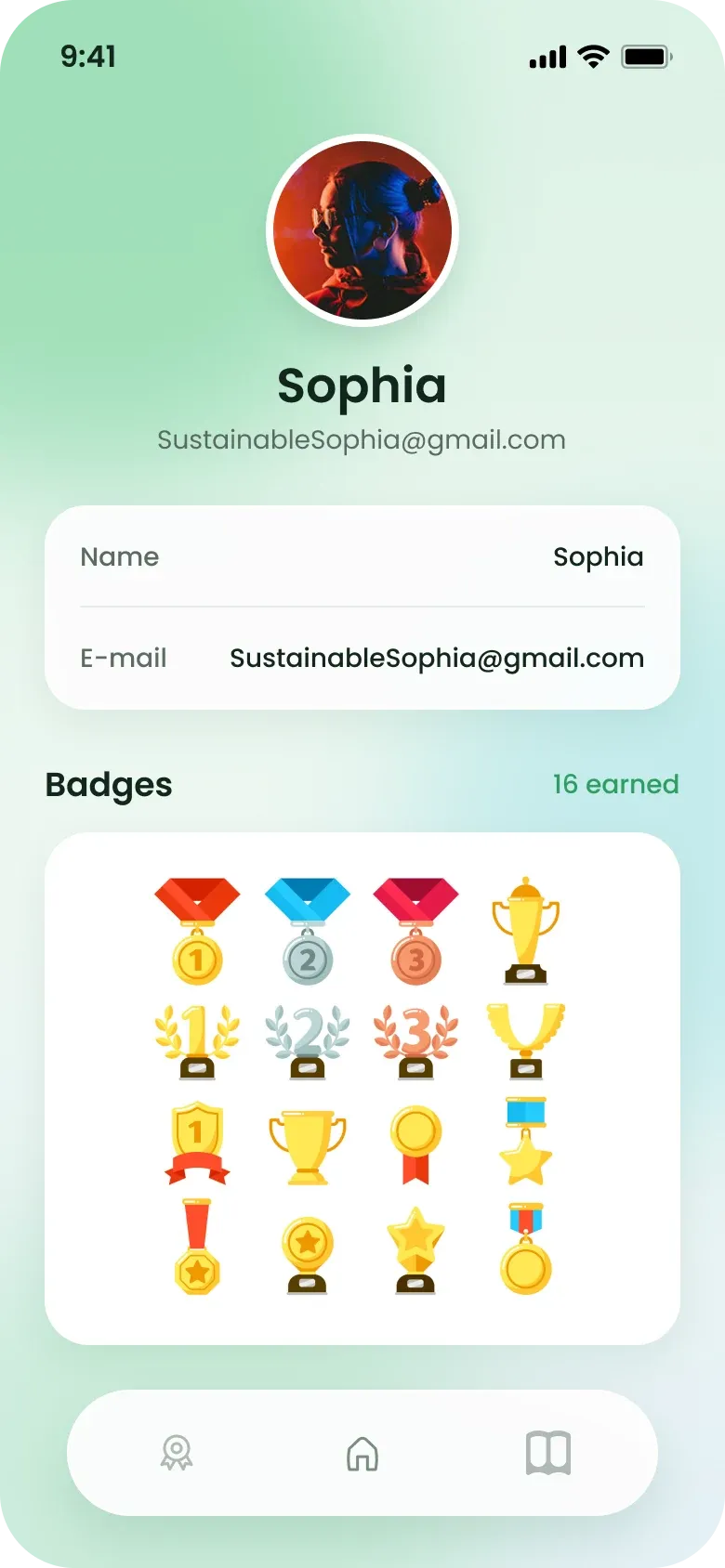
Low-fidelity wireframes let us test the core functions early. The final prototype covers onboarding, a home dashboard showing user progress, an interactive challenges and events section, a sustainability education area, and a profile and rewards system.
Visual Design Pass
Revisiting Silva in 2026, I gave the final screens a visual design pass. The flows and content stay the same, but the screens now use one typeface instead of five, a consistent green colour system, cleaner cards, and a soft gradient background in place of flat white.
Reflection
- The research held up. Grounding the concept in real interviews and a clear problem-solution fit meant the design decisions had something to point back to, rather than being aesthetic guesses.
- Branding needed more attention. With four of us focused on research, strategy, and UX simultaneously, visual identity was the area that got the least development.
- Layout hierarchy could go further. Spacing and information hierarchy across screens is something I’d tighten with more iteration time.
- Performance wasn’t tested. If this were built, I’d want to work with engineers early on speed and accessibility rather than treating it as a later concern.